It started with a story…
Dance of the Sea King is an interactive animation and installation that explores the process of utilizing folk story and universality in narrative-driven storytelling to reflect upon cultural identity. Through retellings of classic tales, such as the Korean Shim Chung Jeon, folk stories in animation act as a base for animator’s expressing heavy topics via symbolism and fantasy. It has played an integral part in Emily’s creative research process for examining the relationship of cultural identity and the environment around us. Animation allows children and adults to imagine and gain a deeper understanding of self by embedding the idea of universality and everyday life into whimsical narratives. When mixed with interactivity, this experience of animation brings audiences’ attention to emotions through tangible and thoughtful experiences that place them into the narrative. By incorporating Korean cultural narratives into an interactive experience, Emily used her personal journey with her biracial identity to consider how mediums can help audiences have conversations about multicultural identity. The goal of her research was to also aid designers in considering their cultural experience and others when designing environments for storytelling.
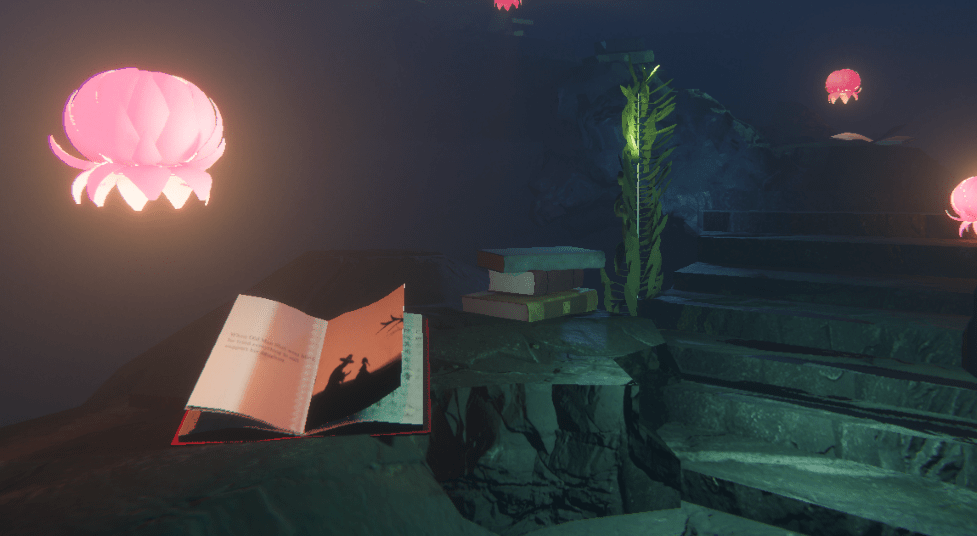
Emily Subr (Director, Modeler, Programming C#) | Hsi-Yuan Chu (Additional C# Coding) | Jeremy Patterson (Network Script Writers) | Juan Diego Torres Brenes LaRoche, Liz Hejny, Mila Gajic (Additional Prop Modelers) | Felicity Murphy (Physical Prop Designer) | Min Liu (Micro Controller Programmer) | Patrick Park (Sound Designer)
Tools: Maya (Modeling, Animating), Unity (Interactivity, Animating, Lighting), Nomad Sculpt (Modeling), Procreate (Drawing), After Effects (Compositing, 2D Animations)
Behind the Scenes
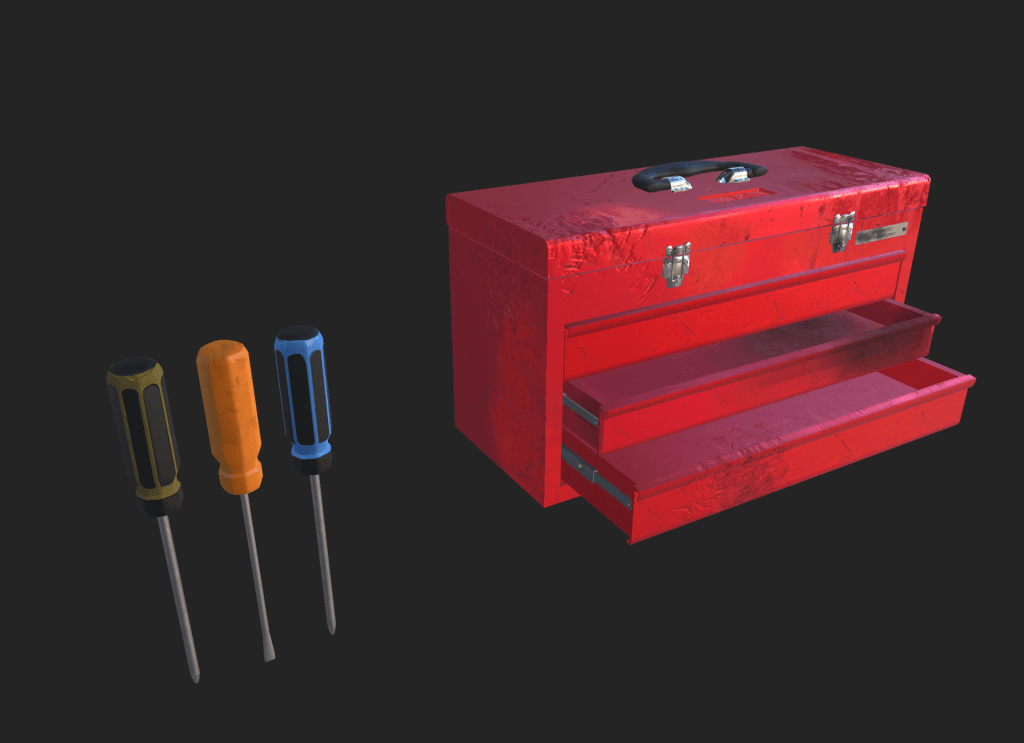
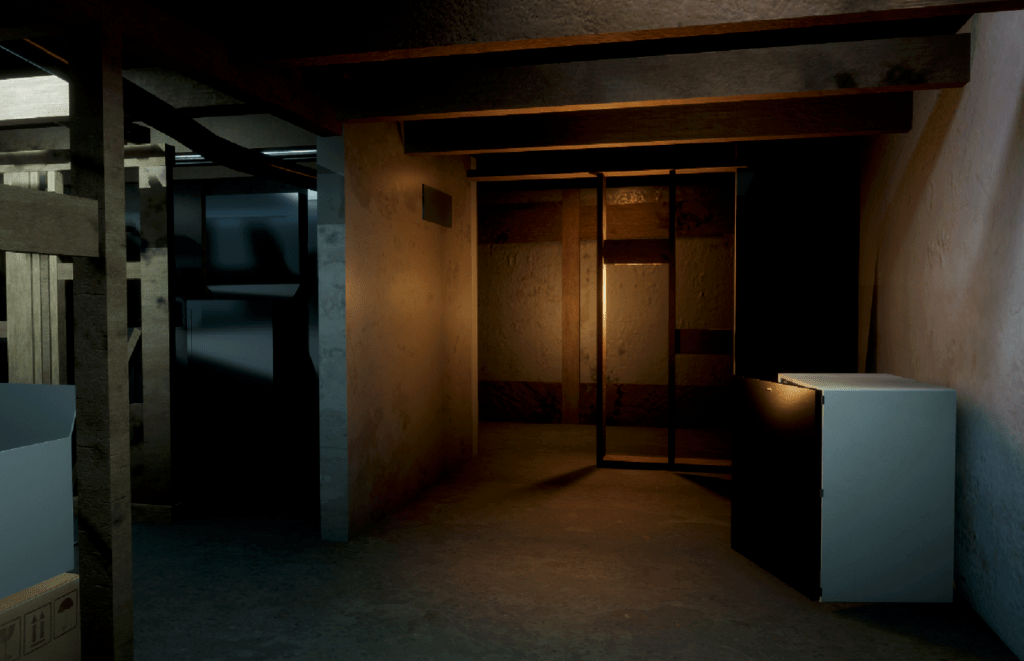
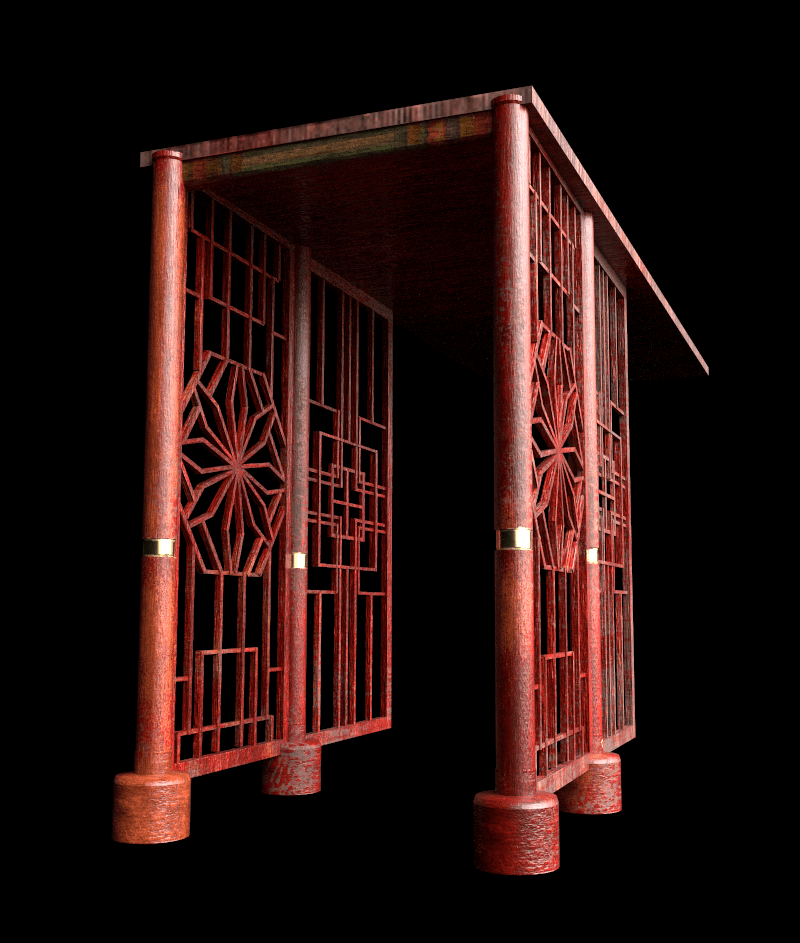
3D Models of Dance of the Sea King
The only limit is the extent of your imagination.





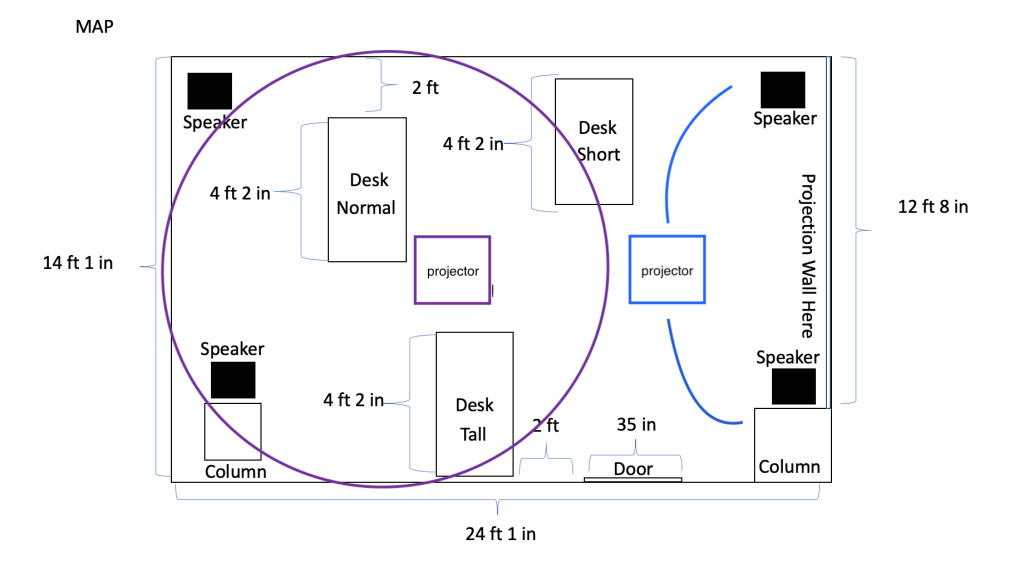
Below is the floor plan for the room. I thought about using three different height desk. The first one you sit on the floor. The second one is standing. The third one has a stool. The reason is that the physical space is mirroring a journey. By sitting down, it is imitating both the floor tables for eating, but it also puts the person lower to the ground, which I think about the idea of safety or fear demonstrated through the body. With the standing desk, the scene being interacted in is the library. The dragon is posing questions, so I want the person to be in an active position. With the sitting, it is more neutral and the rest of the sequence requires thought.
 Emily Subr